AI agents are changing cybersecurity faster than most marketers and tool buyers realize. Here is why trust layers, permissions, and human review now matter as much as raw AI capability.
AI agents are getting framed as productivity upgrades.
That is true, but it is only half the story.
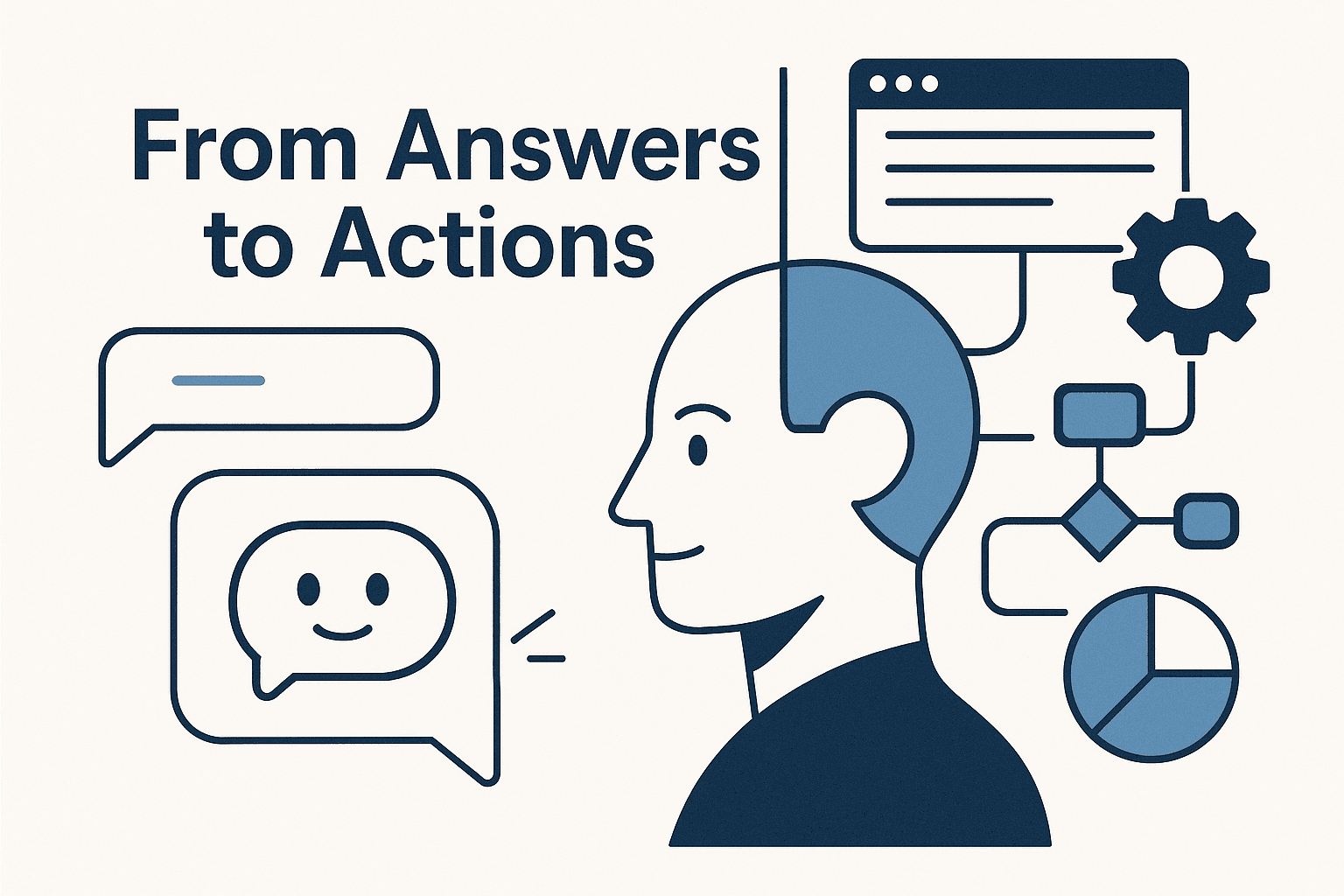
The bigger shift is that AI systems are moving from answering prompts to inspecting tools, holding context, chaining actions, and operating across real workflows. Once that happens, the risk model changes too. You are no longer dealing with a clever chatbot. You are dealing with software that can observe, reason, and act inside live environments.
That is why the latest wave of AI security reporting matters far beyond cybersecurity teams. If you build with AI, buy AI tools, or give agents access to data, files, browser sessions, APIs, or publishing workflows, this is now your problem too.
AI agents are changing what “cyber risk” actually means
Traditional software risk was often easier to describe. A bad plugin, a weak password, a known exploit, a missing patch.
Agentic systems add a new layer. They can combine memory, instructions, tools, and permissions in ways that create much more flexible behavior. That is what makes them useful. It is also what makes them harder to trust blindly.
The concern is not that AI suddenly became evil. The concern is that capable systems with access can now move through complex tasks faster than before, whether the goal is helpful automation or abuse.
That means the same architecture that helps a business automate research, support, reporting, or publishing can also help someone identify weak points, test exploit paths, or abuse a badly designed permission setup.
The real shift is from AI assistance to AI execution
A lot of AI coverage still talks like the main battle is chatbot quality.
That is already outdated.
The more important shift is execution. Modern agents are increasingly useful because they can do more than generate text. They can inspect environments, route tasks, use tools, maintain state, and act across multi-step workflows.
That changes the security conversation in a big way.
A normal model answer can be wrong and annoying. An agent with the wrong tools or too much access can be expensive, dangerous, or quietly reckless. The issue is not intelligence alone. It is intelligence plus permissions.
That is the part many AI buyers still underestimate.
Why this matters for marketers, founders, and AI tool buyers
If you are using AI in business, you are probably already near this line.
Maybe your AI stack can read internal docs. Maybe it touches customer data. Maybe it can connect to apps, send emails, scrape pages, update records, or publish content. That all sounds great in a demo. It also means trust is no longer a soft brand concept. It is an operational requirement.
The next generation of AI products will not win just because they are faster. They will win because users feel safe giving them real access.
That changes how smart buyers should evaluate tools.
Instead of only asking, “What can this do?” ask:
- What can it read?
- What can it change?
- What can it send?
- What can it publish?
- What approvals exist before a sensitive action?
- What happens if it gets something wrong?
- What audit trail is left behind?
Those are not boring enterprise questions anymore. They are the difference between useful automation and a very expensive mess.
The best AI products now need a trust layer
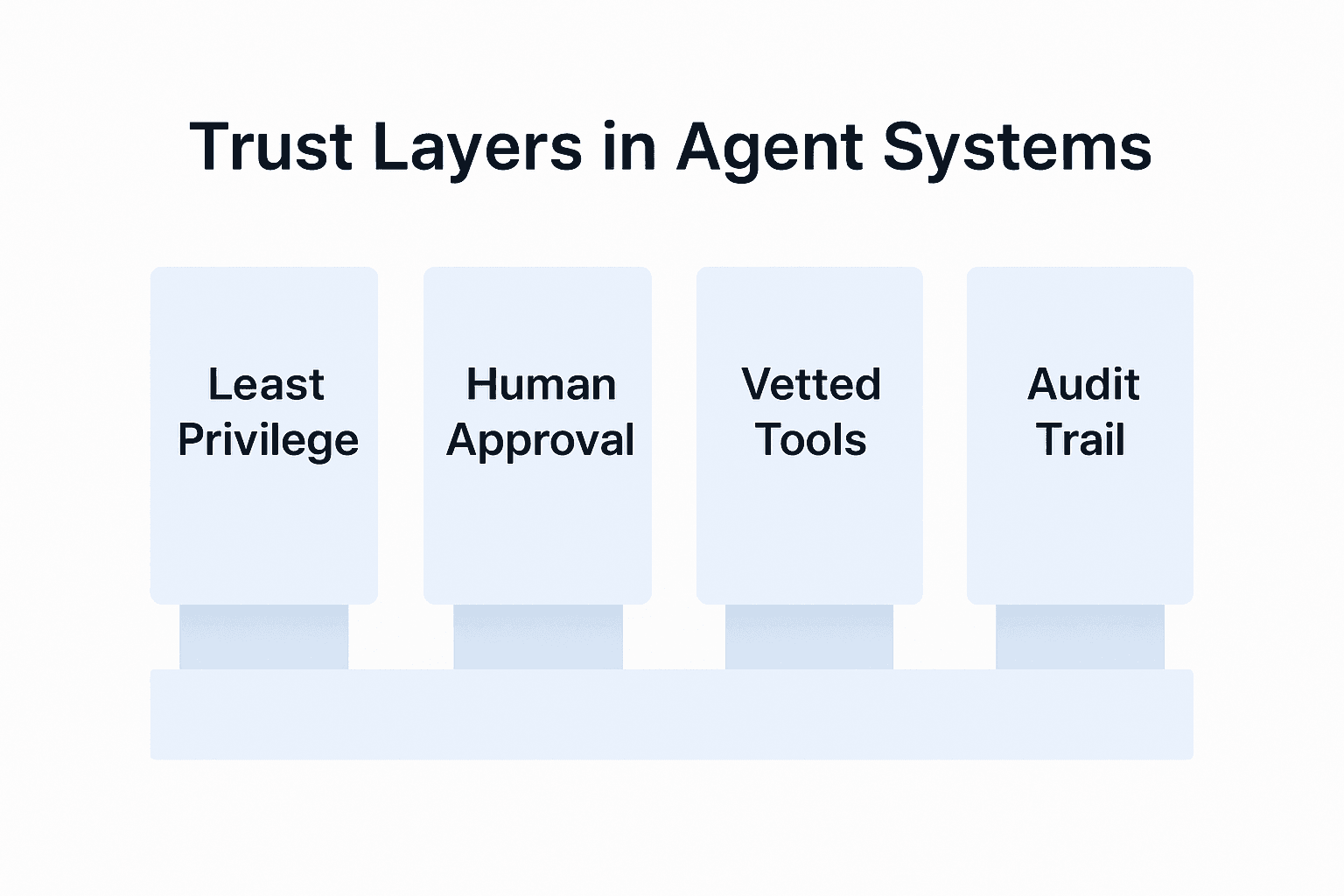
A strong AI product in 2026 does not just need a model and a workflow.
It needs a trust layer.
That usually includes four basics:
1. Least-privilege permissions
An agent should only get access to what it truly needs.
If it only needs to summarize documents, it should not also have publishing rights, payment access, or unrestricted browser control. The more permissions you pile on, the more damage a bad output or bad chain of reasoning can cause.
2. Human approval for sensitive actions
Some steps should never run silently.
Sending messages, pushing live content, touching customer records, changing production systems, or exposing private data should usually require a human checkpoint. Fast automation is nice. Blind automation is where people get into trouble.
3. Vetted tools and dependencies
The model is not the only thing that matters. Connectors, skills, wrappers, browser layers, plugins, and helper packages all become part of your attack surface.
A sloppy stack is like hiring a genius and then handing them a bag of mystery tools from a parking lot.
4. Clear logs and audit trails
If an agent touches something important, you should be able to see what it did, why it did it, and what it used.
If a system cannot be audited, it cannot be trusted for serious work.
AI security is now a product positioning issue
This is where things get interesting for the AI market itself.
Security and trust are no longer just technical back-office concerns. They are becoming product differentiators.
The winners in AI will not just say, “Our agent can do more.” They will be able to say, “Our agent can do more safely, with review, limits, and accountability.”
That matters for SaaS founders.
It matters for AI reviewers.
And it matters for buyers trying to separate real systems from polished chaos.
There is a reason this topic is starting to show up more often in serious reporting. Once agents move from idea generation into execution, trust becomes part of the product itself.
What smart buyers should do now
You do not need to become a security engineer to make better AI decisions.
But you do need to stop evaluating agent tools like harmless toys.
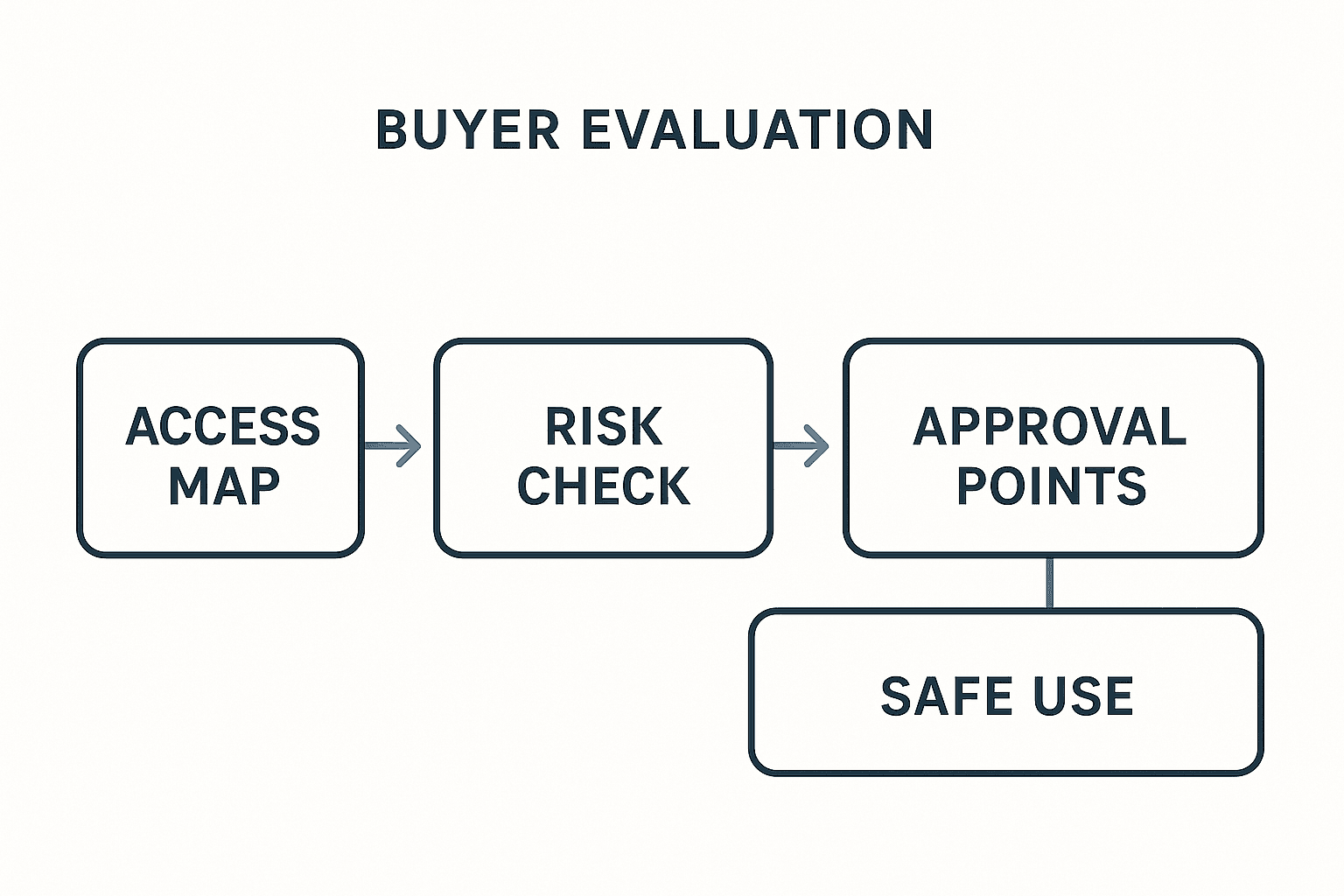
A simple checklist helps:
- map what the tool can access
- reduce permissions where possible
- require approval for high-risk actions
- avoid mystery plugins and poorly explained integrations
- look for vendors that explain boundaries, logging, and controls clearly
- treat “fully autonomous” as a claim that deserves skepticism, not applause
That last one matters.
Autonomy without control is not impressive for long.
The next AI wave will be judged by trust
A lot of AI marketing still sells speed, power, and automation.
Fair enough. Those things matter.
But the more agents move into real-world workflows, the more the market will reward systems that are not just capable, but trustworthy.
That is the bigger story here.
AI agents are expanding what software can do. At the same time, they are expanding what can go wrong when systems have memory, tools, permissions, and live access.
So if you are building, buying, or reviewing AI tools, this is the right question to ask next:
Can people trust this system enough to actually use it where the stakes are real?
If you want more practical breakdowns on where AI tools are useful, where they are risky, and how to use them without doing something stupid, join the AI community here: https://bit.ly/aiagentslab
**Recommended authority source:** Google Cloud Threat Intelligence blog on AI-assisted vulnerability exploitation and initial access: Google Cloud Threat Intelligence