Most AI launches still get framed the same way: this model beat that model, this benchmark moved up a few points, this assistant sounds a little more human than last month. That is great for screenshots and almost useless for normal people.
What most users actually want is not a smarter chatbot. They want an AI that can do work. Handle follow-ups. Watch the inbox. Pull context from the tools they already use. Nudge the right task at the right time. That is why the latest chatter around Google’s rumored “Remy” agent matters, even if the headline version is still unconfirmed.
The big claim making the rounds is that Google has a more proactive AI assistant waiting in the wings, one that could make today’s standalone AI tools feel awkwardly separate. As of May 13, 2026, Google has not publicly confirmed a product called Remy. So let’s keep the YouTube adrenaline where it belongs. The real story is not whether the codename is real. The real story is that Google has already been building the ingredients that make a deeply integrated AI agent plausible.
If you want more practical AI tool breakdowns, workflow ideas, and agent-focused updates, join my AI community here.
The rumor is loud, but the infrastructure story is louder
A lot of “X just killed Y” AI content falls apart the second you look past the thumbnail. This one is different in one important way: even if the leak is overcooked, the underlying direction fits what Google has already been shipping.
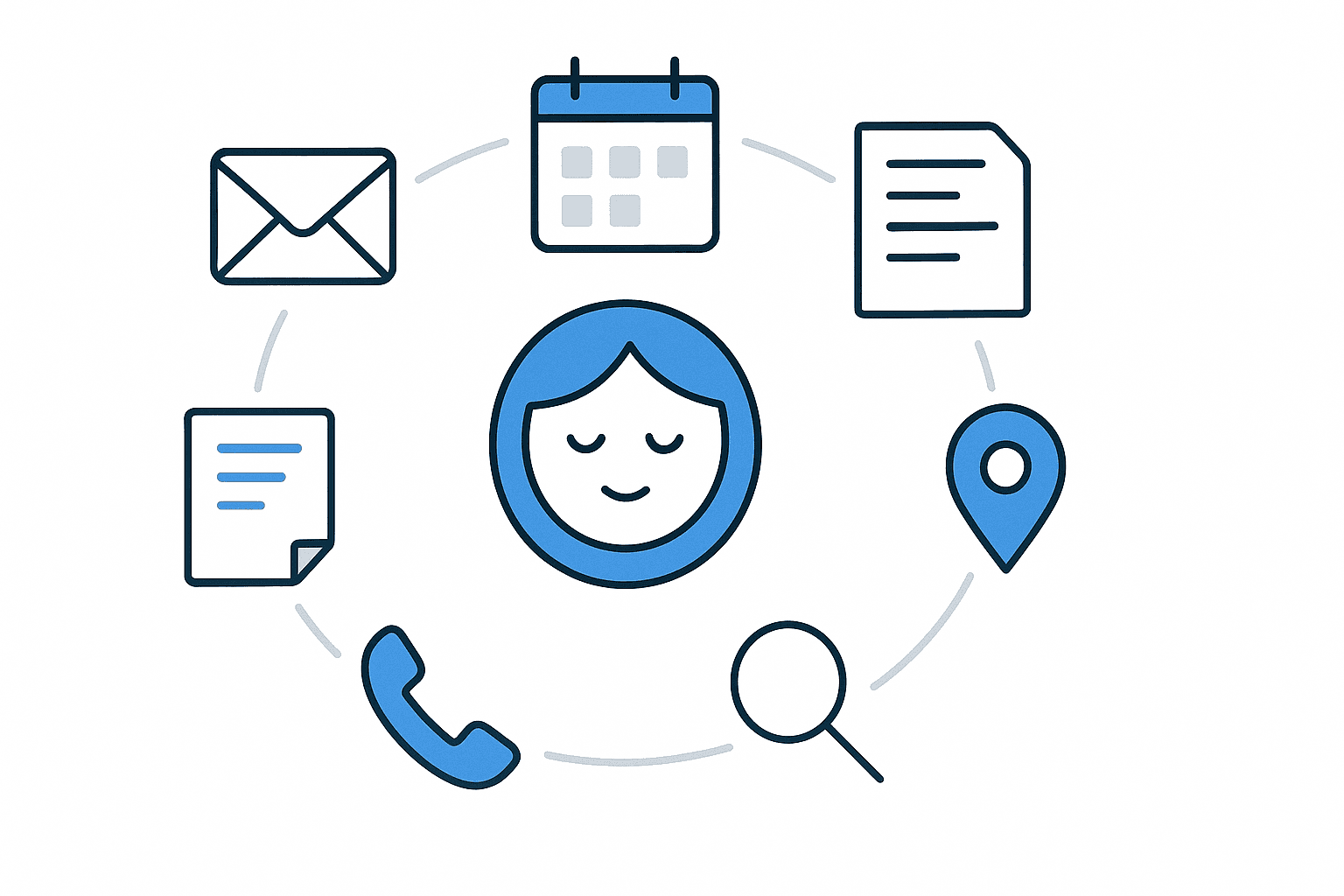
Google has been pushing Gemini beyond chat and into products, context, and ongoing assistance. Its official Personal Intelligence update connects Gemini to Google apps like Gmail, Photos, YouTube, and Search. That is not the same as a full autonomous butler, but it is the kind of plumbing you need before an assistant starts feeling genuinely useful instead of just conversational.
That matters because agent products do not win on IQ alone. They win on access. Context. Permissions. Memory. Integration. A great model with no useful connections is still just a clever guest. A slightly less impressive model plugged into your real workflow can save you hours.
Why Google has a real advantage in an agent race
If Google decides to push harder into agent behavior, it does not have to build the whole world from scratch. It already owns huge parts of the user environment: Gmail, Docs, Drive, Calendar, Search, Chrome, Android, YouTube, and Maps. That is not a side benefit. That is the battlefield.
Think of it this way. Most AI assistants today still feel like talented freelancers you hire for one task at a time. They can be excellent, but you still need to brief them, hand them files, explain the situation, and hope they do not lose the thread. A deeply integrated Google agent would feel more like a staff operator already sitting inside the company systems. That difference is enormous.
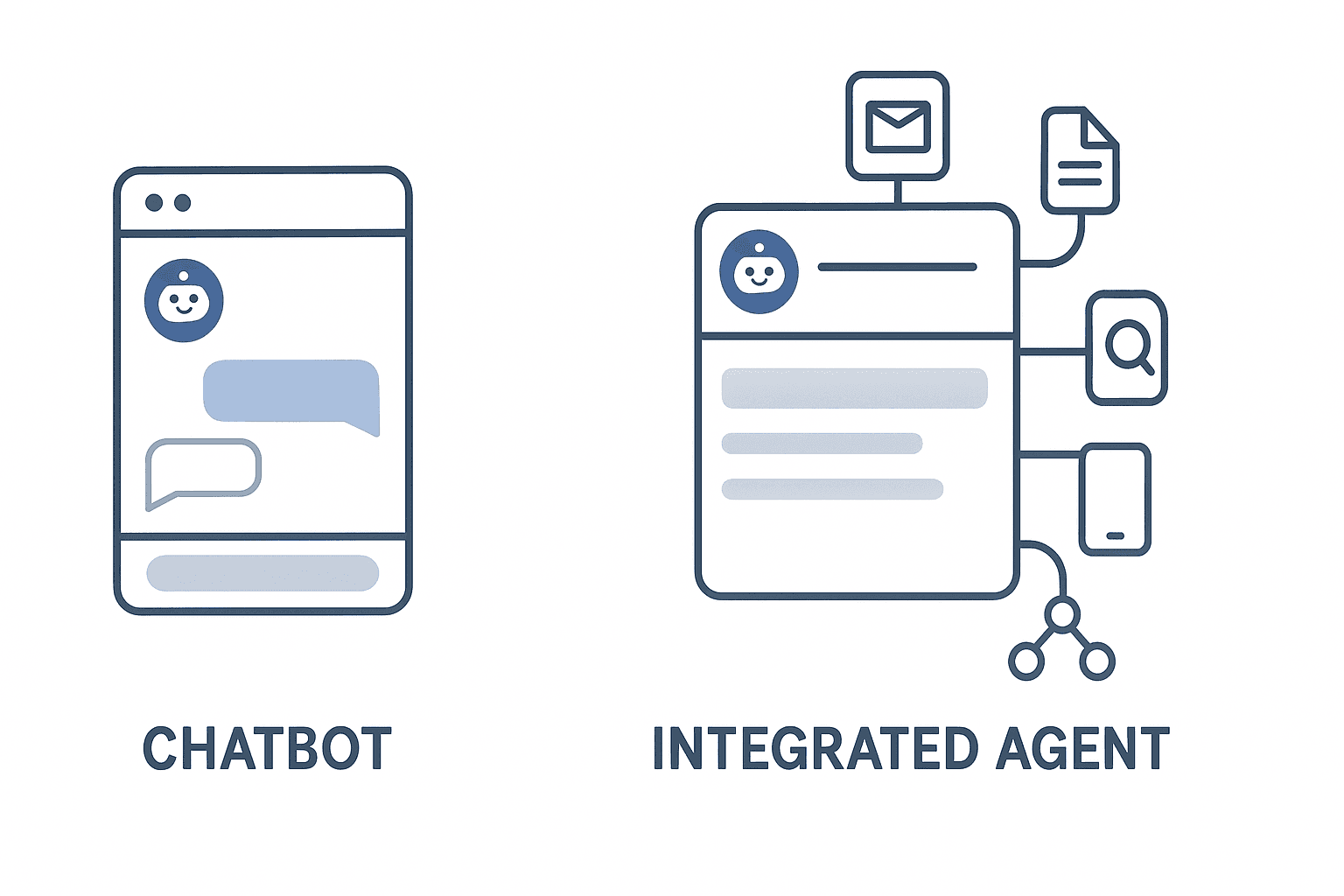
This is also why the OpenClaw versus ChatGPT versus Claude comparison gets a little shallow if you stop at model quality. Model quality matters. But product position matters too. An agent connected to your world can feel much stronger than a “better” model trapped in a separate box.
Why this does not automatically kill OpenClaw, ChatGPT, or Claude
Now for the part that usually gets skipped because it is less dramatic and more useful.
No, a rumored Google agent does not automatically kill the rest of the market. That is lazy framing.
ChatGPT still has massive distribution, developer momentum, and mainstream familiarity. Claude still has real strength in writing, reasoning feel, coding support, and focused work sessions. OpenClaw still matters because a lot of power users want action-taking, memory, and orchestration outside a giant closed ecosystem.
But Google does have a dangerous advantage if it gets this right: default surface area. If your assistant lives where people already work, the friction drops fast. And once friction drops, “good enough and already there” becomes a brutal competitor.
The bigger market shift is from chat to execution
The strongest takeaway here is not “watch for Remy.” It is “watch where value is moving.”
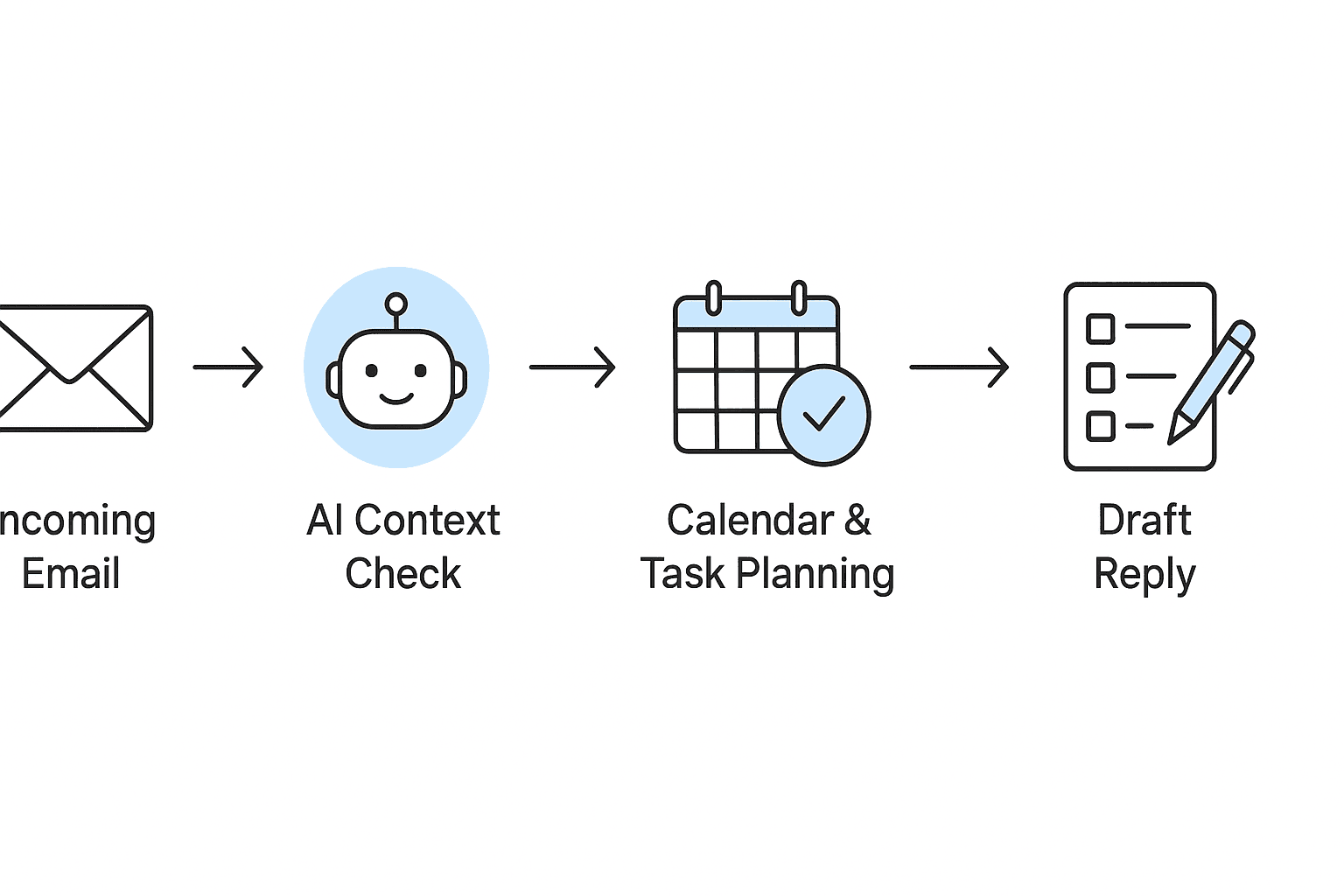
The market is slowly shifting away from raw chatbot novelty and toward systems that can actually execute useful multi-step work. That means:
- persistent context instead of repetitive prompting
- tool access instead of isolated answers
- workflow support instead of one-off replies
- helpful defaults instead of manual setup every time
- better economics for always-on assistance
Google’s public Gemini direction already points that way. Gemini 3 has been positioned as more agentic. Personal Intelligence pushes personalization deeper into the stack. Gemini is showing up across more Google surfaces. Even without the leaked-agent drama, the pattern is clear enough.
The trust problem is still the hard part
There is one big catch, and it is not a small one.
The more useful an AI agent becomes, the more access it needs. And the more access it needs, the more users start asking the uncomfortable question: how much of my life does this thing need to see before it becomes genuinely helpful?
That is where Google’s biggest strength also becomes its biggest trust challenge. Deep integration can make an assistant feel magical. It can also make people feel watched. Any serious Google-first agent will have to win on usefulness without making the privacy tradeoff feel reckless.
What marketers, creators, and SaaS founders should actually do with this
If you work in AI marketing, creator tools, SaaS, or automation, here is the practical lesson: stop building as if the long-term winner is just the smartest chat box.
The stronger opportunity is in products and workflows that work with this shift instead of ignoring it. That means building things that:
- fit into real tasks people already do
- reduce setup friction
- make context reusable
- help users trust automation in small steps
- stay useful even when model brands keep changing
In other words, the moat is not just “our AI is smarter.” The moat is “our system saves time without asking the user to rebuild their life around it.”
Final take
The smartest way to read the Remy rumor is not as confirmed product news. It is as a signal.
As of May 13, 2026, the “Google just killed everyone” version is not something you should repeat as fact. But the broader shift behind it is real enough: AI is moving from chat windows toward integrated execution.
If Google gets that layer right, the pressure on every standalone AI assistant gets much more serious. Not because one leak changed the market overnight, but because integration, context, and distribution usually beat flashy demos in the long run.
And yes, that is a lot less cinematic than “everything is dead.” It is also a lot more likely to be true.